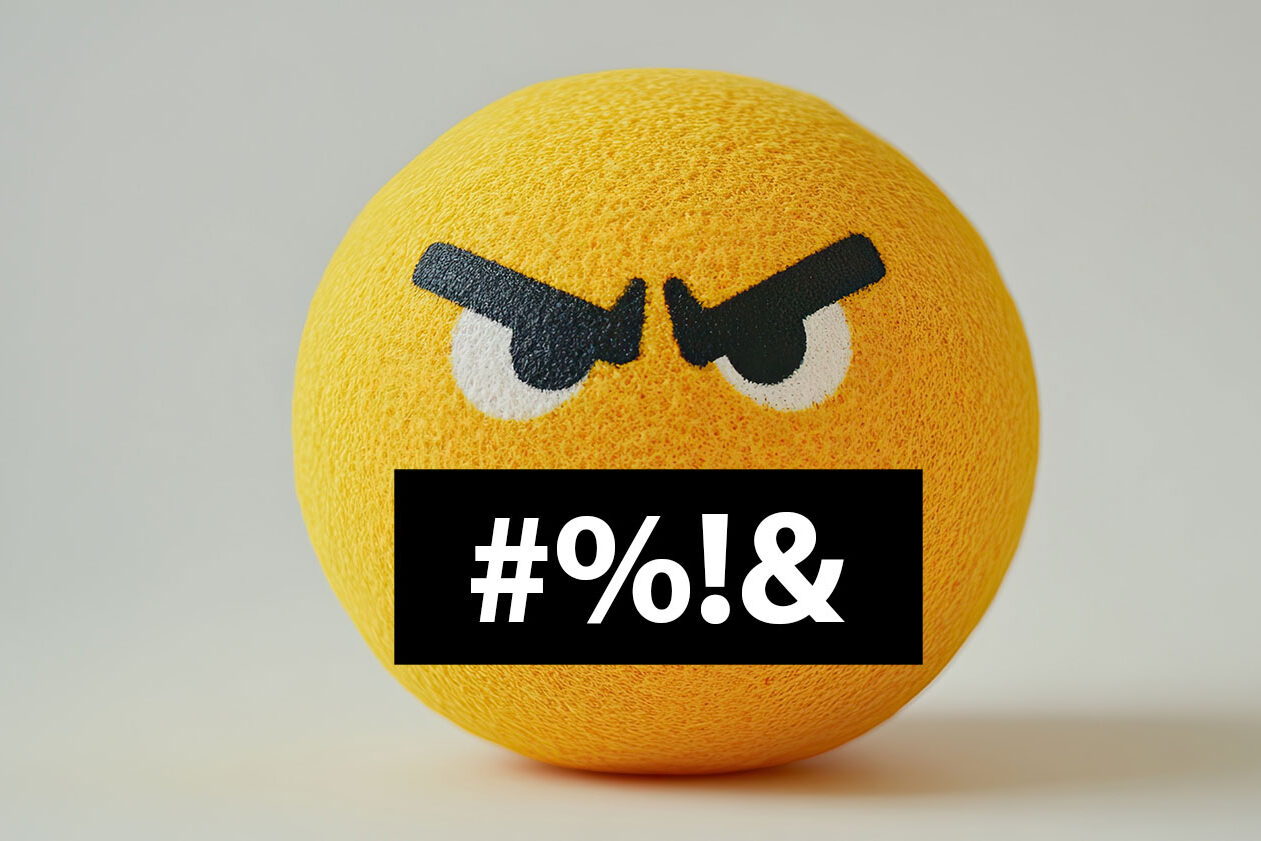
When we say the word “reputation” at ReputationUs, we are usually a bit cautious as we know the word can sometimes have two meanings. We promptly provide a bit more definition to the word so our intended audience knows what where we’re heading. This duel meaning of reputation led us to today’s blog question…Is “reputation” a good word or a bad word?
Short answer: reputation is neither inherently good nor bad. However, reputation is an asset and a risk. How people perceive you determines whether that asset appreciates or depreciates, and those swings happen fast. Here’s why that matters, with hard evidence and a couple of classic case studies.
Reputation as measurable business value
Reputation isn’t just “warm fuzzies.” According to the Harvard Business Review, businesses with strong reputations attract better talent, command customer loyalty, and often trade at premium valuations because markets expect steadier future earnings. In other words: reputation shows up in hiring, pricing power and investor confidence.
Trust trends to watch
Global trust data make this practical. Recent Edelman Trust Barometer work shows that business remains one of the most-trusted institutions in many markets — but trust is fragile and shifting (and leadership trust has been eroding in the most recent reports). That fragility means reputational capital can be protective… until it isn’t.
When reputation buffers but doesn’t absolve
Contrast that with product-recall episodes like Toyota’s 2010 recall: Toyota’s pre-crisis reputation helped buffer initial fallout, but delayed and inconsistent messaging amplified scrutiny and regulatory attention that cost more than the immediate operational fixes. A strong reputation buys time and credibility, but it doesn’t replace timely corrective action.
Quick stats that matter:
-
Consumers reward sincerity: research and case reviews show a large share of customers will forgive brands that communicate openly and act to fix problems (multiple post-crisis studies put forgiveness and retention rates well above the minority range when response is authentic).
-
Trust metrics shift quickly: annual trust barometers (Edelman) show meaningful year-to-year swings tied to leadership behavior and how organizations handle innovation, safety and ethics.
What I (Casey Boggs) tell clients (my takeaways)
-
Treat reputation as capital. invest in ethics, quality control, and stakeholder listening before a crisis.
-
Have playbooks, but don’t read from them verbatim. Authenticity beats canned lines.
-
Move fast and act visibly; decisive action + consistent updates reduce rumor and regulatory pressure.
-
Measure trust continuously via surveys, social signals, employee feedback so you spot small erosions early.
Bottom line: reputation is a POWERFUL word. The outcome it foreshadows depends entirely on posture. Build it deliberately, defend it proactively, and when things go wrong, be fast, transparent and humane. Do that and “reputation” becomes one of your organization’s best assets. Ignore it, and it can be your biggest liability.